How to Make a Plane in Build a Car to Go Far
Turn a garage car into a controllable flyer with wings, propellers or jets, then take off cleanly on the longer map.
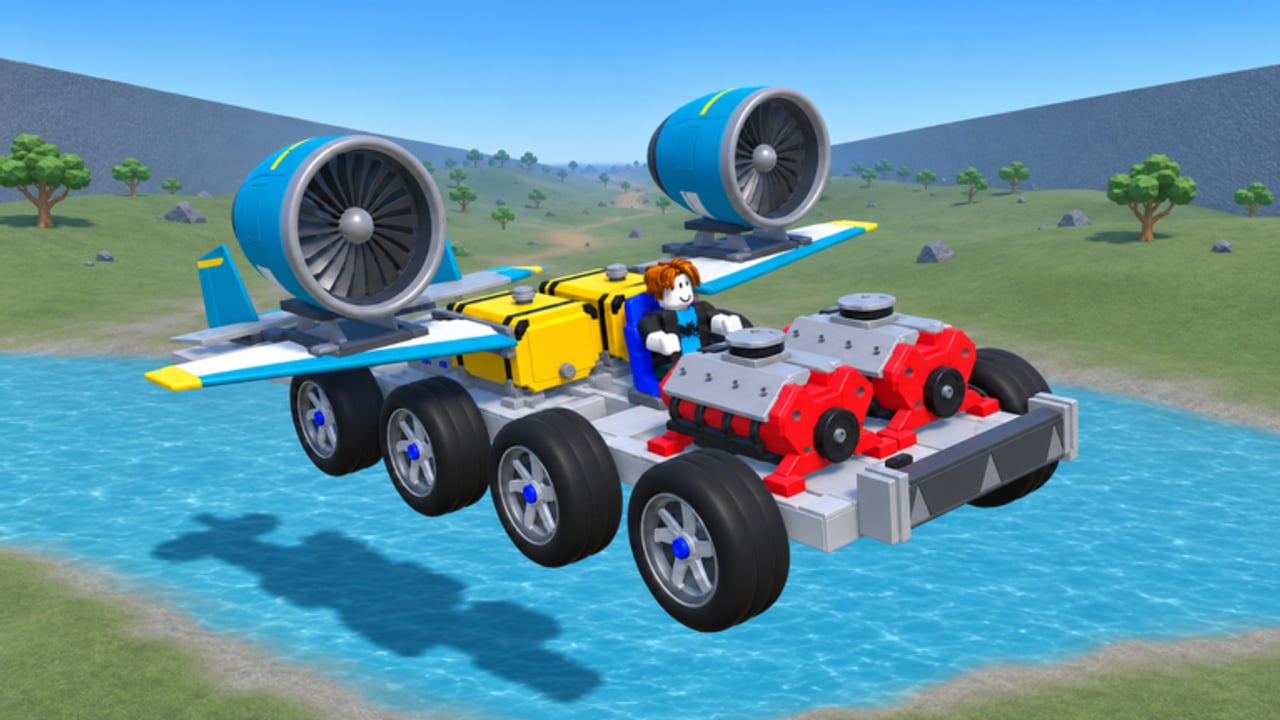
Searching how to make a plane in Build a Car to Go Far usually means one thing: you want a car that leaves the road and keeps earning distance coins in the air. After Runworks’ flight update, that is a real progression path—not a meme. You convert a light chassis with mirrored wings, add a propeller or jet from airplane crates, fuel honestly, and practice short hops before committing to new biomes. This guide walks the conversion step by step, explains balance and takeoff, and shows when a plane beats a pure ground car.
If you still flip on asphalt, fix fundamentals in How to Build first. Flight controls and routing live in How to Fly. Deep jet tuning is covered in Jet Engine Guide.
What “making a plane” actually means
There is no separate airplane editor. You still build in the garage: seat, frame, wheels, engines, fuel, then wings plus flight engines (propellers or jets). Wheels stay useful for takeoff rolls and emergency landings. The goal is a hybrid that can drive a short runway stretch, lift cleanly, and cruise farther than your best road car on the extended post-update map.
Official loop reminder: build → drive for distance coins → open crates (engines, rockets, airplane crates) → push farther → use offline earnings between sessions → optionally co-op with up to 10 players. Planes sit on top of that loop; they do not replace it.
Parts you need before the first flight
Light chassis and low seat. High seats and brick palaces fight lift. Keep the driver low and the frame short.
Mirrored wings. Lift must match left and right. One fat wing and one stub creates an instant roll. Mount pairs at the same height and angle.
Centerline thrust. Propellers and jets should push through the middle of the build. Offset engines yaw or roll you into the dirt. See Jet Engine Guide for mount habits.
Fuel that matches air burn. Flying often empties tanks faster than rolling. Until better fuel tanks ship (still on the roadmap after the flight update), carry real capacity—not hope.
Optional rockets. One symmetrical burst can help rotate for takeoff or escape a stall. Rockets are not a substitute for wings or a flight engine. Budget them via Crates and Rockets.
Keep a ground money car. Never convert your only earner. Park a boring distance car for coins and offline AFK while you invent planes.
Step-by-step: first plane from a trusted car
- Clone or save a light four-wheel car that already finishes clean ground runs.
- Strip drag — tall decorations, extra seats, and unused motors go first.
- Add symmetrical wings before you max thrust. Confirm the craft still sits level in the garage.
- Install one propeller or one jet path on the centerline. Beginners usually learn faster on propellers; jets wait until pitch control feels calm.
- Fuel up for a medium hop, not a map-length fantasy on empty tanks.
- Roll a short takeoff near the start: build speed on wheels, ease pitch up, level out, then abort and land if anything rolls.
- Only then attempt longer biome stretches. Compare coin rates against your ground car after three fair flights.
This order matches how the flight update expects you to play: new propeller and jet engines, airplane crates, longer map with new biomes, updated flight controls—plus load improvements that help denser builds spawn, but do not fix bad balance.
Balance checklist before takeoff
- Left and right wings identical in size, angle, and height
- Engines centered; no single jet hanging off one side
- Seat and heavy tanks not stacked into a tippy tower
- Wheels still touch for a runway roll without scraping wings
- Camera clear so you can see pitch during climb
If the nose snaps vertical, you have too much pitch authority or not enough speed. If you cartwheel sideways, fix asymmetry before buying another crate engine. Full control habits after the update are in How to Fly and device notes in Controls.
Takeoff technique that wastes fewer coins
Drive a clean straight line. Add throttle smoothly. Rotate gently once you have forward speed—do not yank skyward from a standstill. Level the wings as soon as you leave the ground. Watch fuel during the first climb; vertical flight burns distance budget fast. Abort early if roll exceeds recovery. A crashed experiment should send you back to the ground earner and Offline Earnings, not into a rage crate binge.
Co-op helps: one friend flies while another watches for wing scrape, fuel panic, or offset thrust. Agree that the shared money car is off-limits before anyone turns the garage into a jet museum.
When a plane beats a car
Fly when:
- Ground obstacles or rough biome transitions kill your personal best
- Airplane-crate engines outperform your road setup in the air
- You can finish air routes with fuel left and still beat ground coin-per-minute
- Friends are already airborne on shared routes
Stay on wheels when:
- You are still funding early crates and fuel upgrades
- Your flyer crashes more than it finishes
- Offline AFK needs a simple, stable earner
- You are testing a new ground engine from normal crates
Hybrid routes work too: drive the opening stretch, then climb when altitude opens a cleaner line. Hybrids need clean transitions—wings that scrape on takeoff waste both modes. Copy proven kits from Best Builds once your own hops are consistent.
Propeller plane vs jet plane
Propeller planes teach pitch and cruise with a softer skill floor. They pair well with first airplane-crate luck and efficient biome hopping.
Jet planes clear long gaps faster and punish misalignment harder. Mount carefully, fuel honestly, and read Jet Engine Guide before you promote a crate jet to your main.
Rank keepers against Engines Tier List after each open. Patch notes and map changes stay on Flight Update and the Updates Hub.
Common plane fails (and fast fixes)
- Rolls at liftoff — asymmetric wings or offset jets; mirror everything
- Stalls into a dive — too much pitch, not enough speed or wing area
- Great climb, zero coins — fuel spent going up instead of forward
- Unflyable after a crate swap — new thrust changed balance; retune mounts
- Bankrupt crash loop — restore the ground car; fund the next attempt with offline coins
- Waiting on fake codes — no confirmed promo codes as of mid-November 2026; ignore unverified lists and keep driving
Related guides
- How to Fly — controls, biomes, drive-versus-fly
- Jet Engine Guide — unlock, install, fuel, launch
- Crates and Rockets — airplane crates and boost parts
- Flight Update — what shipped and what is still roadmap
- Best Builds — copyable flying jet and trainer kits
Make the plane light, lift first, thrust centered, fuel honest, and test in short hops. That is how “how to make a plane” becomes longer runs and more coins—not expensive fireworks at spawn.
Frequently Asked Questions
Quick answers to the most common questions.
How do I make a plane in Build a Car to Go Far?
Start from a light car, add mirrored wings, mount a propeller or jet on the centerline, fuel for a real hop, then practice short takeoffs before long biome runs.
Do I need a jet to make a plane?
No. Propellers are often better for first planes. Jets shine once you can keep thrust aligned and tanks topped up on the longer map.
Should I remove the wheels?
Keep wheels for takeoff rolls and emergency landings. Strip only the heavy off-road extras that fight lift.
When does a plane beat a ground car?
When air routes finish more consistently and earn more coins per minute than your best wheeled build—usually after airplane crates and basic flight control click.
Why does my plane roll or stall right away?
Check mirrored wings, centerline engines, and gentle pitch. Over-pulling or offset jets cause most early crashes. Rebuild light and retest near spawn.